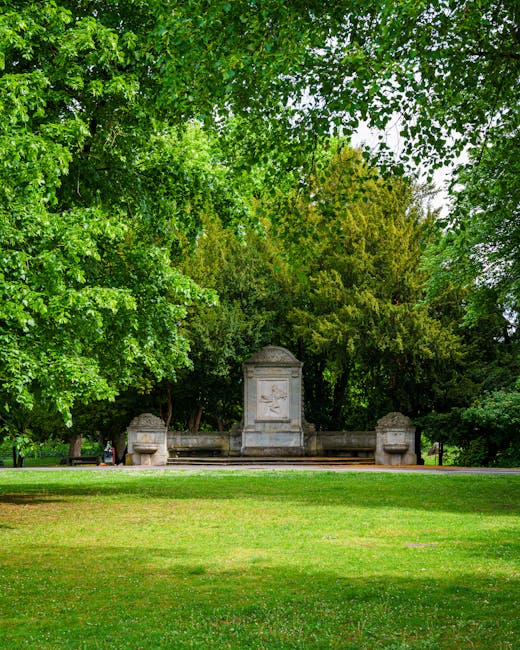
Gunnersbury Park event cleaning Acton: a practical guide for smooth, stress-free event cleanup
If you are planning, managing, or recovering from an event near Gunnersbury Park, cleaning is one of those jobs that can quietly make or break the whole day. The music might be brilliant, the catering spot on, and the guests happy, but if the site is left messy, sticky, or unsafe, that is the bit people remember next. This guide to Gunnersbury Park event cleaning Acton explains what event cleaning involves, why it matters, and how to approach it properly so the space is handed back in good condition without last-minute panic.
Whether you are organising a community event, corporate gathering, outdoor reception, or private celebration, the job is not just "tidying up". It is about waste control, floor care, washroom refresh, spill response, and making sure the site is safe for the next visitors. Let's face it, a post-event clean can feel like a small mountain after a long day. The good news is that with the right plan, it becomes a lot more manageable.
In this article, you will find the key stages of event cleaning, practical planning advice, common mistakes to avoid, and a clear checklist you can actually use. There is also a comparison of methods, a realistic example, and answers to the questions people usually ask when they need dependable cleaning around a busy park venue.
Why Gunnersbury Park event cleaning Acton matters
Events around Gunnersbury Park can create a very mixed cleaning challenge. You may have grass, hardstanding, pathways, indoor rooms, temporary equipment, food service areas, toilets, and high footfall all in one day. That means the clean-up is rarely simple. A few coffee cups on a table is one thing; a full event site with mud, drink spillages, packaging, and bins overflowing is something else entirely.
The main reason this matters is straightforward: a clean site protects people, protects the venue, and protects your reputation. Guests notice more than most organisers expect. A slippery floor, stained carpet, or litter drifting into planting beds can give the impression that the event was poorly managed, even if everything else was excellent.
In Acton and the surrounding West London area, event teams often need fast turnaround. Sometimes the same venue is being used again the next morning. That means the cleaning needs to be efficient, organised, and suitable for the surface in front of you. A one-size-fits-all approach usually causes trouble. Mud on a hard floor needs different treatment from drink residue on upholstery, and outdoor waste needs different handling from indoor table debris.
There is also the practical matter of safety. Broken glass, food waste, wet patches, and discarded cable ties are not just untidy; they are hazards. When people are leaving in low light, when staff are tired, or when deliveries are coming in, even a small missed area can become awkward. Not dramatic, just annoying - and avoidable.
For organisers, the clean-up is also part of overall event control. If you have agreed handback times, venue expectations, or supplier responsibilities, cleaning should be mapped into the event plan from the start. Not at the end, when everyone is already halfway out the door.
Expert takeaway: event cleaning is not a final wipe-down. It is a planned operational task that protects safety, presentation, and handover timing.
How Gunnersbury Park event cleaning Acton works
Good event cleaning usually starts before the event begins. The best teams look at the layout, understand the expected guest numbers, and decide what needs to be cleaned during the event and what can wait until after. That split matters. A busy food station, for example, may need repeated clearing through the evening, while some perimeter areas can be left for a final sweep.
In practical terms, event cleaning is often divided into three phases:
- Pre-event preparation - setting bins, protecting sensitive surfaces, confirming access routes, and planning equipment placement.
- Live event cleaning - litter picking, spill response, restroom checks, and keeping public areas presentable while the event is running.
- Post-event restoration - clearing rubbish, vacuuming or sweeping, spot cleaning, surface sanitising, and checking the site for forgotten items.
For outdoor or semi-outdoor events near Gunnersbury Park, weather can shift the plan very quickly. A dry lawn can become a muddy edge by late afternoon. A brief shower turns tracked-in dirt into something that spreads, and then the clean-up takes longer. No surprise there. It is just how it goes in London.
The workflow usually includes the following kinds of tasks, depending on the event:
- bin collection and bag replacement
- glass, cup, and food debris removal
- floor sweeping, vacuuming, or mopping
- table and touchpoint wiping
- washroom refresh and consumable checks
- carpet or rug spot treatment
- stain removal from chairs, soft furnishings, or temporary coverings
- patio, pathway, or entrance cleaning
- final site walk-through with the organiser or venue contact
If the event includes an indoor reception space, nearby office suite, or hospitality area, a more detailed service such as deep cleaning may be needed before or after the event. For spaces with fabric-heavy seating, upholstery cleaning or sofa cleaning can help remove marks that a standard wipe-down will not touch.
Key benefits and practical advantages
The obvious benefit of professional event cleaning is a cleaner venue. But the less obvious benefits are often the ones that save the most stress.
- Better handover quality - you are far more likely to return the site in the condition expected.
- Lower safety risk - fewer slips, sharp objects, and trip hazards left behind.
- Faster reset time - the venue can be made ready for its next use more quickly.
- Less pressure on event staff - your team can focus on guests and logistics instead of mopping floors at midnight.
- Improved presentation - clear entrances, tidy washrooms, and clean communal areas leave a better final impression.
- More targeted cleaning - specialist treatment for carpets, windows, hard floors, and stain-prone areas.
There is also a calmer feeling that comes with knowing the clean-up is under control. If you have ever stood in an empty venue at the end of a long event, with tape on the floor and bins full of disposable cups, you will know exactly what that means. It is not glamorous. It is just a relief.
Another advantage is that event cleaning can be scaled. A small gathering may only need one-off attendance and a final sweep, while a larger event may need continuous support and a detailed end-of-night clean. That flexibility is valuable because event formats are rarely identical. One month it is a corporate reception, the next it is a family celebration or a community gathering.
For businesses using a venue for branded events, the cleaning also supports professional image. If guests see spotless floors, clear glass, and fresh touchpoints, it quietly reinforces that the whole operation is well managed. Small detail, big signal.
Who this is for and when it makes sense
Gunnersbury Park event cleaning Acton is relevant to anyone planning an event that creates visible waste, surface contamination, or turnaround pressure. That includes private hosts, event coordinators, venue managers, caterers, production teams, and local organisations.
It makes the most sense when any of the following apply:
- the event has a large guest count
- food and drink are being served
- there are outdoor and indoor areas to manage
- the site must be handed back on a strict schedule
- there are carpets, rugs, upholstery, or specialty floors on site
- the event includes public access and high footfall
- the organiser wants to avoid overloading in-house staff
It also makes sense if you are hosting a one-off event and do not want to build a temporary cleaning plan from scratch. That is a common position, by the way. You may know your event programme inside out, but waste segregation, spill response, and site restoration can be a different skill set entirely.
One thing people sometimes underestimate is the after-event emotional fatigue. By the time speeches are done and guests are leaving, the team is often running on autopilot. A structured cleaning plan keeps the final hour from becoming chaotic.
If you need support beyond the event site itself, related services can also help. Communal area cleaning can be useful for shared entrances or access routes, while window cleaning can improve the appearance of front-facing event spaces that need to look sharp for guests.
Step-by-step guidance
A reliable event cleaning process does not need to be complicated. It just needs to be deliberate.
- Walk the site before the event. Identify entrances, exits, food points, bins, toilets, and any areas that are likely to get messy. This is where you find the hidden headaches before they happen.
- Set cleaning zones. Divide the venue into sections such as guest area, service area, washrooms, outdoor space, and storage. If the site is large, this saves time later.
- Choose the right schedule. Decide what must be checked during the event and what can wait until the end. High-use areas usually need more frequent attention.
- Place waste systems strategically. Bins should be easy to find but not in the way. If guests cannot see a bin, they tend to leave cups "for now" on a random ledge. Humans, eh.
- Prepare for spills and stains. Keep cloths, neutral cleaners, disposable gloves, and absorbent materials ready. Fast action usually means less damage.
- Use suitable methods for the surface. Hard flooring, carpet, glass, and fabric all need different treatment. Avoid harsh shortcuts.
- Do a final site sweep. Check under tables, behind temporary furniture, and along boundaries where litter often gathers unnoticed.
- Confirm handback. Photographing key areas or walking the site with the organiser can help close the job clearly.
For events where carpets or rugs have taken the hit, a specialist follow-up such as carpet cleaning, steam carpet cleaning, or rug cleaning may be the right next step. If there are stubborn marks, stain removal should be handled with care, not guesswork.
Expert tips for better results
After a while, you notice a pattern. The smoothest event cleans are not the ones with the most people. They are the ones with the clearest plan.
- Use colour-coded waste bags if the event has mixed waste streams. It helps staff sort general waste, recycling, and food waste more quickly.
- Keep a small "rapid response" kit on site. A few microfibre cloths, a scraper, paper towels, and gloves can save a lot of trouble when a drink goes over.
- Protect floors before guests arrive. Temporary coverings or mats near entrances can reduce tracked-in dirt dramatically.
- Choose low-noise equipment where possible. For live events, silent or low-disruption cleaning matters. Nobody wants a vacuum roaring through a speech.
- Revisit problem areas at the end. Edges, corners, toilets, and service counters are the places that look fine until the last ten minutes.
- Match the cleaning to the event type. A formal reception, a family festival, and a corporate networking night each leave different residues.
One small but useful habit: ask the organiser which areas matter most visually. Sometimes it is the entrance. Sometimes it is the nearest washroom. Sometimes it is the main photo backdrop. That little insight changes where the team focuses first.
If the event is connected to hospitality or short-stay use, Airbnb cleaning and one-off cleaning can also be useful reference points for the style of speedy, detailed reset that event spaces often need.
Common mistakes to avoid
Most event cleaning problems come from a handful of very ordinary mistakes. Nothing mysterious, just avoidable.
- Leaving the clean-up until the end only. By then the mess has usually spread.
- Using the wrong products on delicate surfaces. This is how flooring dulls, fabrics mark, and finishes get damaged.
- Not enough bins. If disposal is inconvenient, litter builds up fast.
- Forgetting outdoor edges and hidden corners. Wind moves wrappers far more effectively than people think.
- Overlooking washrooms. A clean main hall with tired washrooms feels unfinished.
- Failing to plan for weather. Mud, rain, and damp shoes change everything.
- Not documenting the handback. Without a final check, small issues can get disputed later.
Another classic error is assuming a quick visual scan is enough. It rarely is. The floor may look tidy in one light and then show sticky patches, crumbs, or scuffed residue once the space clears. You need the last walk-through. Always.
If the site includes hard surfaces around entrances or terrace areas, hard floor cleaning and patio cleaning can be valuable after heavy footfall or food service.
Tools, resources and recommendations
You do not need a truck full of gear to handle event cleaning well, but you do need the right basics. Think practical rather than impressive.
| Cleaning need | Useful approach | Best used for |
|---|---|---|
| General litter and debris | Bags, grabbers, brushes, gloves | Guest areas, outdoor edges, service routes |
| Floors | Sweeping, vacuuming, damp mopping | Hard floors, entrances, corridors |
| Carpets and rugs | Spot treatment or steam extraction | Drink spills, tracked dirt, food marks |
| Fabric seating | Targeted upholstery treatment | Chairs, sofas, soft benches |
| Glass and touchpoints | Microfibre cloths and safe surface cleaners | Tables, doors, counters, mirrors |
| Stubborn residue | Specialist stain treatment | Food, drink, scuffs, sticky patches |
Recommended supporting services depend on the venue. For example, event spaces with regular public use may benefit from office cleaning style routines for touchpoints and presentation, while post-renovation venues may need after builders cleaning before they are fully ready for guests.
For a broader maintenance picture, some organisers also ask about window cleaning, facade cleaning, or even gutter cleaning if the event site or nearby building has presentation issues outside the main event footprint. Not every event needs those, of course, but it is useful to know the options.
Law, compliance, standards, or best practice
For event cleaning in the UK, the main principle is simple: the work should be carried out safely, responsibly, and in line with the venue's requirements. You do not need to overcomplicate it, but you do need proper care around waste, surfaces, access routes, and worker safety.
Best practice usually includes:
- keeping walkways clear during and after the event
- using suitable products for the surface
- handling waste in a controlled way
- managing spillages promptly
- following site-specific health and safety arrangements
- making sure staff understand any restricted areas or live hazards
Organisers should also be clear about insurance, access arrangements, and who is responsible for each cleaning stage. If contractors are involved, it helps to confirm expectations in writing. That saves a lot of awkward back-and-forth later, honestly.
It is also wise to ask about safer working practices, public liability cover where relevant, and how the team handles waste disposal and environmental care. A responsible cleaning provider should be able to explain their approach clearly. If that sounds vague or rushed, treat it as a warning sign.
For reference points on service standards and accountability, you may also want to review practical company information such as health and safety policy, insurance and safety, recycling and sustainability, and terms and conditions. Those pages help set expectations around how professional cleaning work is structured.
Options, methods, or comparison table
Not every event clean needs the same format. The right approach depends on the size of the event, the surface types, and how quickly the venue needs to be ready again.
| Method | Best for | Strengths | Limitations |
|---|---|---|---|
| Light post-event tidy | Small gatherings, low waste | Fast, simple, low cost | May miss deeper dirt and stains |
| On-site live cleaning | Busy events, long schedules | Stops mess from building up | Needs more planning and staff presence |
| Full end-of-event clean | Venue handback, large guest numbers | More thorough, better for return condition | Requires more time at the end |
| Specialist surface clean | Carpets, upholstery, hard floors, glass | Tackles specific damage or residue | May need extra equipment or drying time |
For many organisers, the best solution is a mix: some live cleaning for waste and safety, then a more detailed final clean once guests have gone. That approach is usually the least stressful, because you are not asking one team to do everything in one rushed burst.
If the venue hosts repeated events, a planned routine can be helpful too. In that case, services such as regular cleaning may support the broader upkeep of entrances, washrooms, and shared spaces between events.
Case study or real-world example
Imagine a late-summer event near Gunnersbury Park with around a few hundred guests, a drinks station, a buffet table, and temporary seating on mixed surfaces. The weather is fine at first, then a brief shower comes through and people start tracking damp grass toward the entrance. By early evening, the most visible issues are no longer the table surfaces; they are the muddy edges, the bins filling faster than expected, and a handful of drink spillages near the main walkways.
In a situation like that, the most effective cleaning response is not to wait until everyone leaves. A small team handles waste collection, targeted floor care, and occasional spill response during the event. The final stage then focuses on detail: checking behind chairs, cleaning around serving points, wiping down touch surfaces, and spotting any fabric marks before they set.
The result is usually much better than a rushed end-of-night scramble. Guests leave with a good impression, the organiser gets a smoother handover, and the venue does not inherit avoidable mess. Simple, really. But simple only works if it is planned.
If the event has caused specific marking to fabrics or chairs, then a follow-up with upholstery cleaning or targeted stain removal can restore the space properly rather than just making it look "less bad". There is a difference.
Practical checklist
Use this checklist before, during, and after the event. It keeps the job grounded when the day gets busy.
- Confirm the handback time and access arrangements
- Walk the site and note high-risk or high-mess areas
- Place bins where guests can actually see and reach them
- Prepare gloves, cloths, waste bags, and spill materials
- Decide which areas need live cleaning and which can wait
- Protect sensitive floors or surfaces where possible
- Assign responsibility for washrooms, entrances, and service points
- Check for glass, food waste, and other sharp or slippery debris
- Spot-clean carpets, rugs, upholstery, and seating as needed
- Do a final walkthrough with the organiser or venue contact
- Take note of any damage or items left behind
- Confirm that waste has been removed and the area is ready for handover
If you want the clean to feel easy rather than frantic, the checklist needs to be part of the plan from the start. That is the bit people usually skip, and then regret later. A little less drama, a lot more control.
Conclusion
Gunnersbury Park event cleaning Acton is really about more than the final sweep. It is about keeping people safe, protecting the venue, and making sure the event ends as neatly as it began. With a clear plan, the right equipment, and realistic expectations about surfaces, waste, and timing, the clean-up becomes manageable instead of chaotic.
Whether you are handling a community gathering, a corporate function, or a private celebration, the smartest move is to think about cleaning early. That way you can spot the pressure points, assign responsibilities, and avoid the usual end-of-event scramble. And yes, you will thank yourself later when the last guest has gone and the handback is calm.
For a broader overview of the company and its service approach, you may also find the about us page useful. If you are ready to discuss your event and want a straightforward next step, use the website's contact option and ask for a tailored plan that fits the venue, the schedule, and the surfaces involved.
Get a free quote today and see how much you can save.
Frequently Asked Questions
What does event cleaning near Gunnersbury Park usually include?
It typically includes waste removal, spill response, floor cleaning, washroom refresh, touchpoint wiping, and a final site check. For larger events, it may also involve carpet, upholstery, or hard floor treatment.
Is Gunnersbury Park event cleaning Acton different from regular commercial cleaning?
Yes. Event cleaning is more time-sensitive and often more reactive. It has to respond to guest flow, food service, outdoor conditions, and handback deadlines, which makes it more operational than routine daily cleaning.
Do I need cleaning during the event or only after it ends?
That depends on the event size and format. Small gatherings may only need a final clean, but busier events usually benefit from live cleaning so mess does not build up and safety risks stay low.
What areas are most commonly missed during post-event cleaning?
Corners, under tables, behind temporary furniture, entrance edges, and washroom touchpoints are the usual culprits. Outdoor litter also tends to drift farther than people expect, especially if the weather turns.
Can event cleaning help with carpet stains and drink spills?
Yes, but it needs the right method. Light marks may respond to spot treatment, while stubborn stains may need steam carpet cleaning or specialist stain removal.
What should I ask before booking an event cleaner?
Ask about timing, site access, insurance, surface types, waste handling, and how they deal with spillages or delicate materials. It is also worth checking how the handover will be documented.
How far in advance should I arrange event cleaning?
As early as possible, especially for larger events or tight turnaround schedules. Early booking helps with planning, staffing, and making sure the right equipment is available on the day.
Are outdoor event spaces harder to clean than indoor ones?
Usually, yes. Outdoor areas are affected by weather, mud, wind-blown litter, and variable access. Indoor spaces can be easier to control, although they may have more fabric or floor-surface sensitivity.
What if the event space includes shared entrances or common areas?
Then those spaces should be included in the plan. Shared routes often need attention because guests pass through them repeatedly. In some cases, communal area cleaning is the right support service.
Can I combine event cleaning with other services?
Absolutely. Depending on the venue, you may want additional support such as window cleaning, hard floor cleaning, or upholstery cleaning to get the space fully reset.
What is the biggest mistake people make with event cleaning?
The biggest mistake is treating it like an afterthought. The best results come when cleaning is built into the event plan from the beginning, not squeezed in once the guests are already leaving.
How do I know if I need a deeper clean after the event?
If there are visible stains, sticky residues, odours, or heavy footfall on carpets and fabric surfaces, a deeper clean is usually worth considering. If the space has to look polished again quickly, a more detailed clean can save a lot of hassle.